
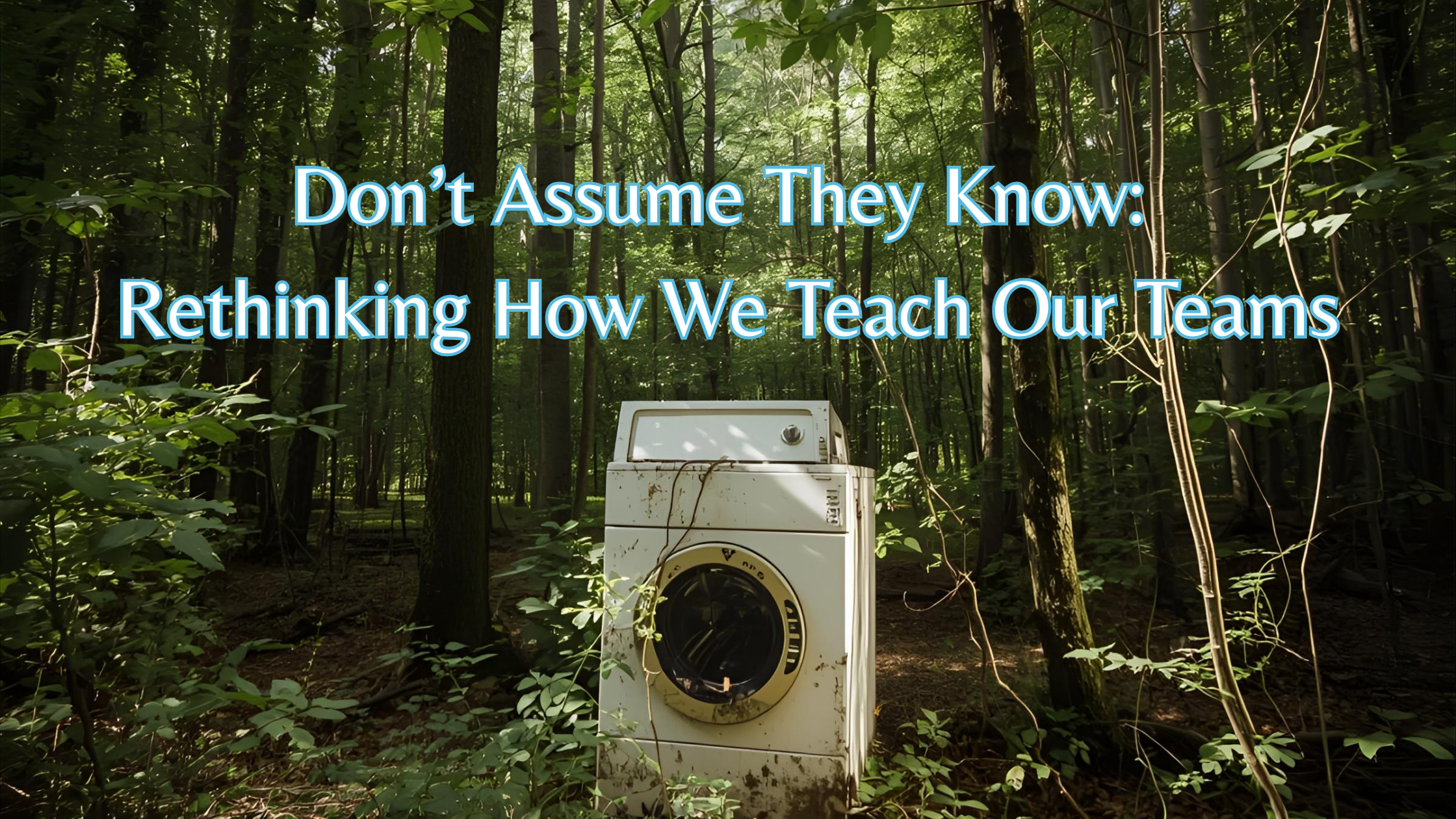
We got a new dryer at work. Not exactly newsworthy, but what unfolded after that dryer was delivered became one of the most surprising and valuable lessons I’ve had in staff training and communication in a long time.
Here’s what happened:
We’ve had a dryer in our facility for over 7 years, but the old model is no longer made. So we got a new one. It was similar, but just different enough to matter. Thinking I was ahead of the game, I did everything I thought a good leader should do:
- I made a training video showing exactly which buttons to press (low setting, press it twice, then start).
- I added a friendly reminder about emptying the lint trap between every load to prevent early breakdowns, fire hazards, and to keep drying effective.
- I shared the video with the whole team. I personally walked our managers through the process, including how to use and troubleshoot it. I pointed out the lint trap again and reminded them to empty it every single time.
Done and done, right? Nope.
About a week later, I passed two team members near the dryer using a handheld vacuum. I thought, “Wow, they’re really going above and beyond with some extra cleaning!” and kept moving.
Then came our next manager meeting, another week later.
We were casually discussing the new dryer when someone mentioned they disliked the lint trap because it was so difficult to clean. Everyone else jumped in to enthusiastically agree, and I was confused.
Why would a brand-new dryer have a lint trap that’s hard to use?
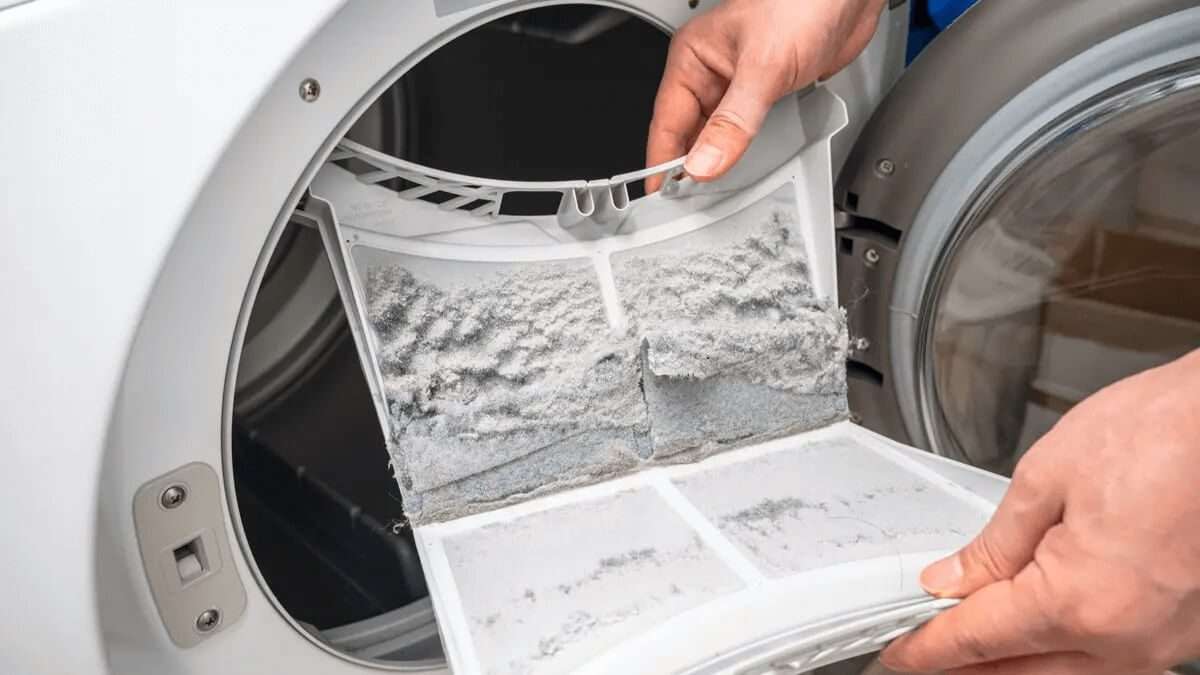
So I asked, and it turns out… they weren’t opening the lint “basket.”
They were sticking their fingers into the little opening at the top and fishing out what they could reach. Another manager chimed in to give her proud advice – using the vacuum to suck out the hair from the small opening worked well, and everyone was so impressed by that genius.
So, that vacuum I saw earlier? That was their solution.
What really blew my mind was this: the lint trap has a clasp. It says right on it that it opens. You just pop it open like a little basket and wipe it out.
No one had done that.
So we all took a field trip back to the dryer. I showed them how the lint trap opened, and everyone was floored while I was trying not to bang my head against the wall.
And that’s when it hit me: I didn’t actually train them well.
I thought I did. But in reality, I made a few detrimental mistakes:
I Assumed Something Was Obvious When It Wasn’t
Because I knew the lint basket opened, I assumed everyone else would just… know.
I thought pointing out the lint trap and saying “empty it every load” was enough, but most of our team had never seen this style. They defaulted to their habits from the old dryer and tried to follow instructions the best way they knew how.
Turns out, what feels obvious in your brain isn’t always clear to others.
I Thought My Training Was Done Once I Delivered It
Making the video? Walking the manager through it? That was just the beginning.
Real training doesn’t end with sending the info—it ends when people are doing the thing correctly.
I didn’t follow up to see if it was actually being used as intended. I didn’t ask questions, watch behavior, or troubleshoot misunderstandings.
My Team Wasn’t Being Lazy—They Were Being Resourceful
This is important.
No one ignored the rule about cleaning the lint trap. They found a way to follow it with the knowledge they had.
They were being proactive and practicing problem-solving by using a vacuum or sticking tools into the gaps to get what they could to follow my rules.
The issue wasn’t effort. It was clarity.

So here’s the lesson for all of us managing people:
Never assume knowledge: Even with experienced staff. Even with “simple” tasks. Spell it out. Include visuals. Test for understanding.
Don’t stop at delivery—follow up: Check in. Ask questions. Observe. If there’s confusion, it’s not a failure—it’s feedback.
Assume good intent: When something’s being done the “wrong” way, it might be someone’s best effort based on bad or incomplete information. Get curious before you get frustrated.
Whether you’re rolling out new equipment, onboarding new hires, or just updating a process, it’s worth taking time to ask:
Does this make sense to someone who’s never done it before?
Have I seen this rule followed the right way?
If it’s not happening, is the system setting them up for success?
And maybe… show them how the lint trap opens. 😅