

Tech In Pet Care

Tech In Pet Care

If you’re still writing your feeding instructions on paper or copying and pasting the same client message every day, this one’s for you.

Technology can feel overwhelming, especially when you’re already juggling a million things. But the right tools aren’t about being flashy; they’re about saving you time, keeping your team consistent, and helping you run a more peaceful, professional business.

Here’s a breakdown of some digital tools and categories to help you think through what could work for your pet care business.

Software That Makes Admin Easier

Google Docs or Forms for daily reports, check-in logs, or client info updates. 

We use a Google Doc for tracking things like labor, attendance, injuries/illnesses, and general information our front-facing team needs in a pinch.

Forms are a great free tool to survey your team or clients to get valuable feedback about your services and culture.

QuickBooks (or similar) to streamline bookkeeping and keep you ready for tax season.

Texting capabilities within your scheduling or CRM software for quick, trackable client communication.

At our facility, texting has been an absolute game-changer. We can quickly copy and paste communication into notes that last forever and it helps with the anxiety of phone calls. The customers love the convenience of it, too!

Canned templates for email and SMS responses to save your team from writing the same thing 100 times.

Having a resource filled with the emails and messages you send every day will save your team tons of time in re-writing the same thing over and over. Consider things like: behavioral notes, health concerns (like throwing up bile), asking for reviews, general overviews of services, etc.

Not only are these faster, it ensures the message that goes out to everyone is branded, consistent, and clear.

Smarter Scheduling and Payroll

Homebase, Paychex, or ADP for scheduling shifts, managing time-off requests, and syncing payroll.

Payroll takes a lot of time and energy, so finding software that can mix payroll, scheduling, reviews, and documentation is a win.

Google Calendar for visualizing service flow, facility usage, or appointments.

We share our facility calendar with our front desk, trainer, and more so that everyone can see events, marketing goals, and holidays in one place. 

Pro tip – you can even use Google Calendar in place of software like Calendly now. Even I even use it to schedule consultation calls, and the best part is, it reads your schedule so it never overlaps commitments. 

ClickUp or other checklist software to track recurring tasks or onboarding steps.

Checklists are a huge topic in our industry. If you find a software you like that keeps consistent and easily adjusted checklists for your team, you will save a lot of time and energy. 

We use ClickUp because it has the ability to be extremely flexible with dates (like recurring tasks scheduled every 3rd day, etc.) and I can add training links, policies and procedures directly to the task so I am sure they are being done right.

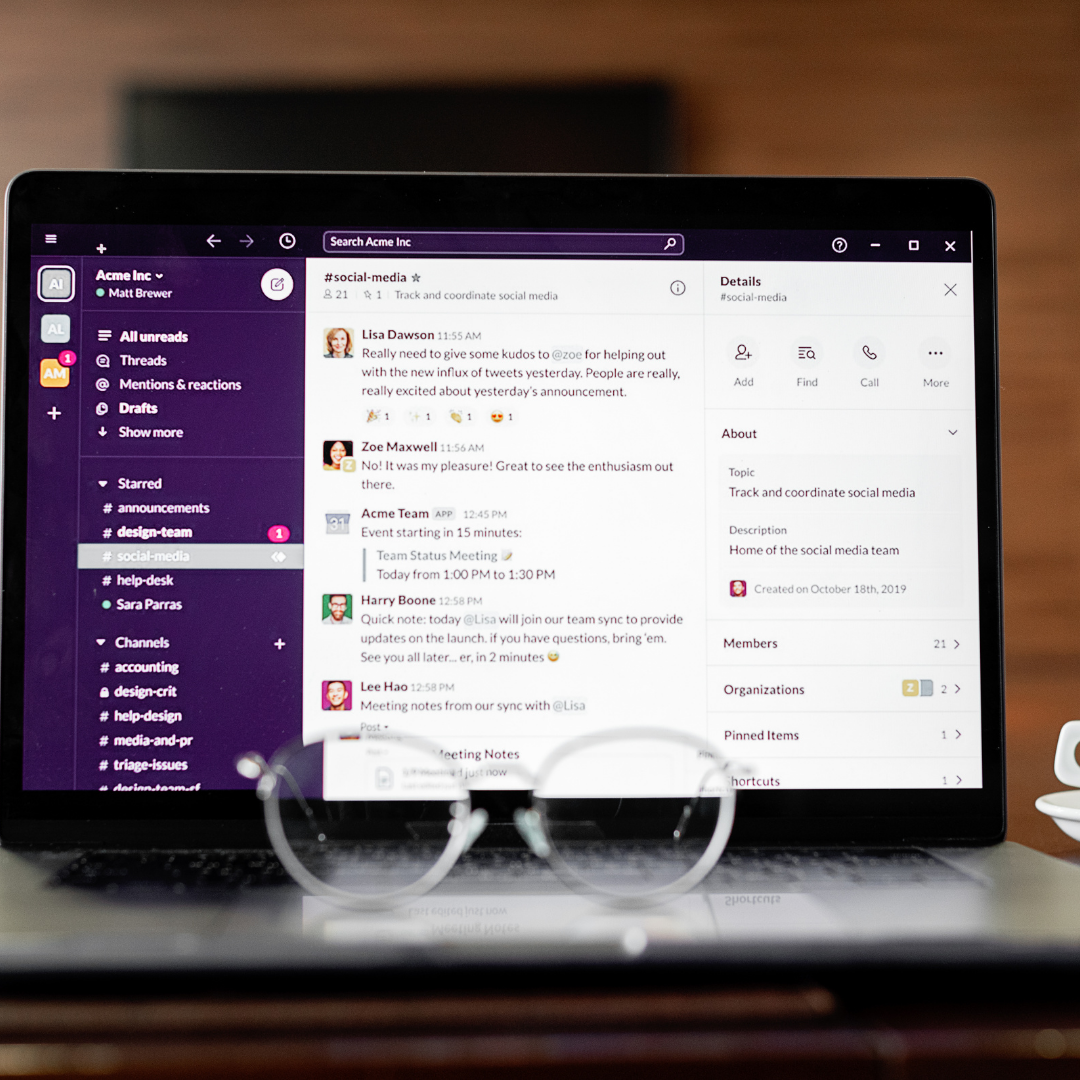
Slack or ConnectTeam to keep internal communication in one place (instead of messy group texts).

Communication is key to success! Having a setup that allows targeted communication within your team is a must. Plus, you can set up extra channels or groups for culture builders like: sharing gifts from customers, holiday pictures, shout-outs, and more!

This can be a cheap one, too. Slack has a completely free and fully functional option!

Marketing and Online Presence

Google Business Profile updates and reviews are one of your most powerful tools.

Planable or Meta Business Suite for scheduling social posts.

Canva (or Illustrator if you’re fancy) for easy, clean graphics.

ChatGPT for SEO support, content brainstorming, or market research.

Chatbots and autoresponders for instant replies on your website, Facebook, and Instagram.

Tools That Improve Client Communication

Report card apps or shared digital forms to give clients quick updates.

Grammarly to make sure written communication stays professional.

QR codes that link to service menus, client portals, or reviews.

Walkie apps (like Voxer) for fast team updates during busy shifts.

Suggestion: Start Small.

You don’t have to overhaul everything overnight. Start with one system you know is costing you time or energy. Whether it’s switching to digital checklists or building out your canned text templates, small changes add up fast.

If you want help figuring out where to improve your operations, feel free to schedule a call HERE.


The Ostrich Rule Problem

The Ostrich Rule Problem

create a system that supports your policies

The Ostrich Rule Problem: Why Your Policies Aren’t Working

We set rules, policies, and procedures all the time. Whether it’s for clients, for staff, or both. But sometimes we forget that just having a rule doesn’t mean it will be followed. It has to be clear, accessible, and enforceable.

I was reminded of this recently at a petting zoo we visited in Tennessee.

At check-in, we got the option to buy a grain cup and an apple to feed the animals. And we were told: “Don’t feed the ostriches your grain. They get their own feed from the special coin-operated machines near their enclosure.”

No problem. Except… those machines only took coins, and the zoo didn’t make change. Since it was in the middle of nowhere, there was nowhere to go, so we entered with the knowledge that the Ostriches just weren’t going to be fed by us.

By the time we made our way over to the ostriches, not only were the coin-operated machines completely empty, but the only signage reminding guests not to feed them from their own cups was one tiny, faded, easy-to-miss sign.

We stood there for maybe five minutes and watched person after person feed the ostriches exactly what they weren’t supposed to.

Not because they were trying to break the rules. But because the rule was:

  • Easy to forget
  • Not reinforced
  • And nearly impossible to follow correctly given the circumstances

That got me thinking about how often we do the same thing in our businesses.

Can you think of a policy you’ve made that doesn’t consistently get followed?

I’d bet it’s because it’s not obvious, not clearly communicated, or not supported with systems that make following it easy and consistent.

Here’s a quick example from my own pet care facility:

We’ve always asked for client pickups before noon. It was on the website, in the automatic emails, in our phone scripts…really, it is everywhere.

Then we added a late pickup fee for anyone picking up after noon to help cover the extra care time.

And that’s when things got complicated.

Some clients “didn’t know” about the fee (despite the info being everywhere).
Some team members forgot to charge it.
Others felt bad about enforcing it with long-time clients.
Some waived it just to avoid conflict.

It was inconsistent, uncomfortable, and ultimately ineffective.

What finally worked?

  • We automated the fee in our software system.
  • We added it to the client agreement so everyone had to sign off.
  • We locked down the ability to waive it so only the managers could make exceptions.
  • And we emailed every client in our system, so there was a documented, date-stamped communication trail.
    Once we did all that? The rule became normal. It didn’t feel like a personal judgment, and it wasn’t up for debate. No one had to “remember” to do it; it just happened.

So if there’s a rule your team struggles to enforce, ask yourself:

  • Is the rule easy to understand?
  • Does your system back it up automatically?
  • Can your team follow it without having to make judgment calls?
  • Are you giving them the tools and permission to enforce it consistently?

The more you reduce friction, the easier it is to build a culture of consistency.

Policies only work when they’re practical, visible, and backed by structure. So if a rule keeps getting broken, it might not be about the people, it might be about the setup.

Need Help?

Want to update your policies and tighten up systems? Book your free consult and let’s dig in together.

Don’t Assume They Know: Rethinking How We Teach Our Teams

Don’t Assume They Know: Rethinking How We Teach Our Teams

We got a new dryer at work. Not exactly newsworthy, but what unfolded after that dryer was delivered became one of the most surprising and valuable lessons I’ve had in staff training and communication in a long time.

Here’s what happened:

We’ve had a dryer in our facility for over 7 years, but the old model is no longer made. So we got a new one. It was similar, but just different enough to matter. Thinking I was ahead of the game, I did everything I thought a good leader should do:

  • I made a training video showing exactly which buttons to press (low setting, press it twice, then start).
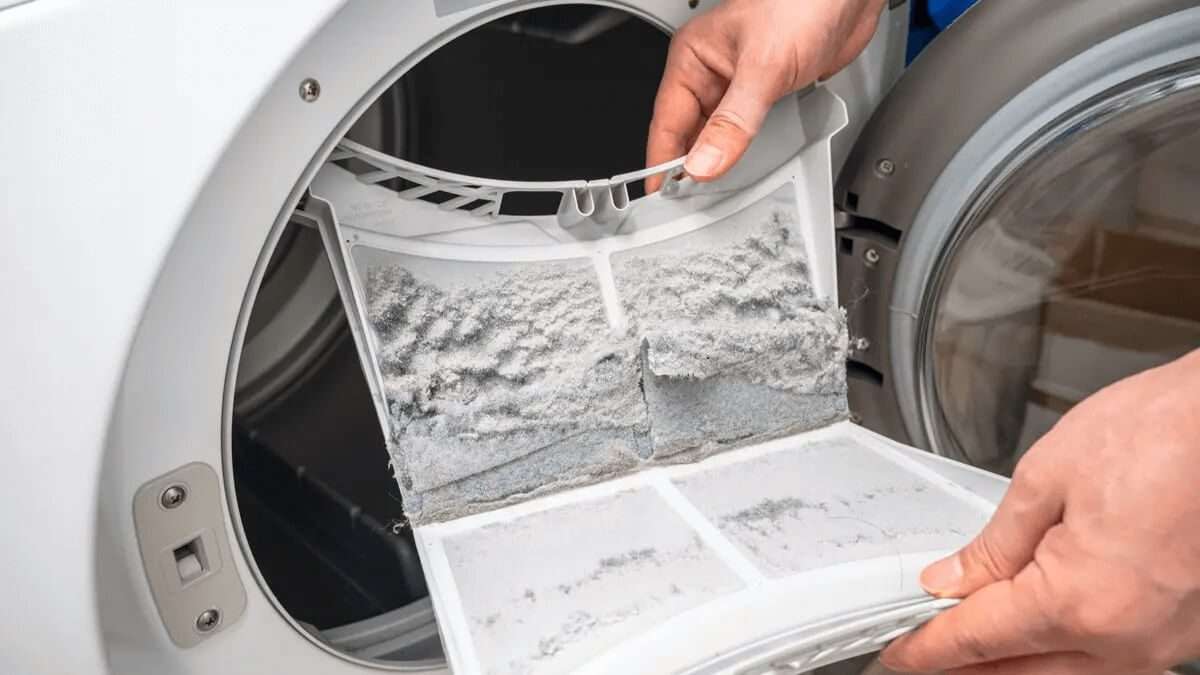
  • I added a friendly reminder about emptying the lint trap between every load to prevent early breakdowns, fire hazards, and to keep drying effective.
  • I shared the video with the whole team. I personally walked our managers through the process, including how to use and troubleshoot it. I pointed out the lint trap again and reminded them to empty it every single time.

Done and done, right?  Nope.

About a week later, I passed two team members near the dryer using a handheld vacuum. I thought, “Wow, they’re really going above and beyond with some extra cleaning!” and kept moving.

Then came our next manager meeting, another week later.

We were casually discussing the new dryer when someone mentioned they disliked the lint trap because it was so difficult to clean. Everyone else jumped in to enthusiastically agree, and I was confused.

Why would a brand-new dryer have a lint trap that’s hard to use?

So I asked, and it turns out… they weren’t opening the lint “basket.”

They were sticking their fingers into the little opening at the top and fishing out what they could reach. Another manager chimed in to give her proud advice – using the vacuum to suck out the hair from the small opening worked well, and everyone was so impressed by that genius.

So, that vacuum I saw earlier? That was their solution.

What really blew my mind was this: the lint trap has a clasp. It says right on it that it opens. You just pop it open like a little basket and wipe it out.

No one had done that.

So we all took a field trip back to the dryer. I showed them how the lint trap opened, and everyone was floored while I was trying not to bang my head against the wall.

And that’s when it hit me: I didn’t actually train them well.

I thought I did. But in reality, I made a few detrimental mistakes:

I Assumed Something Was Obvious When It Wasn’t

Because I knew the lint basket opened, I assumed everyone else would just… know.

I thought pointing out the lint trap and saying “empty it every load” was enough, but most of our team had never seen this style. They defaulted to their habits from the old dryer and tried to follow instructions the best way they knew how.

Turns out, what feels obvious in your brain isn’t always clear to others.

I Thought My Training Was Done Once I Delivered It

Making the video? Walking the manager through it? That was just the beginning.

Real training doesn’t end with sending the info—it ends when people are doing the thing correctly.

I didn’t follow up to see if it was actually being used as intended. I didn’t ask questions, watch behavior, or troubleshoot misunderstandings.

My Team Wasn’t Being Lazy—They Were Being Resourceful

This is important.

No one ignored the rule about cleaning the lint trap. They found a way to follow it with the knowledge they had.

They were being proactive and practicing problem-solving by using a vacuum or sticking tools into the gaps to get what they could to follow my rules.

The issue wasn’t effort. It was clarity.

So here’s the lesson for all of us managing people:

Never assume knowledge: Even with experienced staff. Even with “simple” tasks. Spell it out. Include visuals. Test for understanding.

Don’t stop at delivery—follow up: Check in. Ask questions. Observe. If there’s confusion, it’s not a failure—it’s feedback.

Assume good intent: When something’s being done the “wrong” way, it might be someone’s best effort based on bad or incomplete information. Get curious before you get frustrated.

Whether you’re rolling out new equipment, onboarding new hires, or just updating a process, it’s worth taking time to ask:

Does this make sense to someone who’s never done it before?
Have I seen this rule followed the right way?
If it’s not happening, is the system setting them up for success?

And maybe… show them how the lint trap opens. 😅


Not Just A Tour: Why Every Interaction is an Opportunity In Pet Care

Not Just A Tour: Why Every Interaction is an Opportunity In Pet Care

Not Just a Tour: Why Every Interaction is an Opportunity in Pet Care

A few weekends ago, I was out of town and decided to call a local pet resort just to ask if I could stop by for a tour. I told them straight up that I wasn’t a mystery shopper or pretending to be anything I’m not. I said, “I operate a pet resort a few states away, and I’d love to learn from you while I’m in town.” I even offered them the same courtesy if they ever found themselves in Ohio.

They said yes.

So, I showed up the next day. I walked in, got a warm greeting at the front desk, and was asked if I was picking up a pet. I let them know I had called the day before about a tour and that I ran a facility out of state.

And just like that, the vibe shifted.

Their faces dropped. The friendliness vanished. It felt like I had just told them I was a burglar instead of a fellow professional.

I waited… and waited. After about 20 minutes, a manager finally came out. Arms crossed, zero smile, completely closed off. I wasn’t sure if I had caught them at a bad moment, or if they just didn’t like the idea of someone from “another” facility walking through. Either way, I was already uncomfortable.

We walked quickly through the space. She barely paused to explain anything—just pointed at areas and moved right along. When I asked a simple question about their fencing (and complimented it, trying to keep things kind), she just said, “I don’t know,” and stood silently until I gave up and said thank you. Then she escorted me back to the front and wished me a good day.

I left feeling… unwelcome. But more than that, I left disappointed. Because here’s the truth:

We are a tight industry of many private business owners. And way too often, we operate with fear.

Fear that someone’s going to steal our ideas. Fear that someone’s going to open a facility down the road. Fear that if we share too much, we’ll lose something.

But here’s the truth:

1. They could have learned just as much from me as I hoped to learn from them.
This wasn’t some secret audit. I was offering a connection, a peer-to-peer moment. Who knows what kind of conversations we could have had?

2. There are millions of pets in the world, and every one of us does things differently.
Sharing isn’t a threat. It’s part of how we grow. Your version of “playtime” or “luxury” isn’t the same as mine, and that’s okay. Clients will pick what works for them.

3. You never know who you’re really talking to.
Maybe I wasn’t their customer that day. But I’ve got clients who move all the time. Do you think I’m going to recommend that place now? Not likely. Every interaction is an impression and you don’t get to choose which ones turn into referrals.

4. The team is always watching.
That manager showed her front desk (and whoever else she talks to) that it’s okay to be dismissive, cold, and closed off when someone doesn’t seem “valuable” enough. What does that teach them about how to treat people?

In this industry, how we treat people—clients, staff, even each other—matters. Hospitality is the job. Whether someone is dropping off a dog or asking for a tour, they should walk away feeling seen, respected, and welcomed.

I’m not saying you have to spill every operational secret. But the kind of business culture that keeps everything locked up tight out of fear? It’s not going to get you very far.

So let’s lead differently.

Let’s share, connect, and be proud of the work we do—confident enough to let someone else see it.

Don’t Feed the Bears: Creating Boundaries to Attract the Right Clients

Don’t Feed the Bears: Creating Boundaries to Attract the Right Clients

  A few months ago, I stayed at a resort near Gatlinburg in the mountains. The views were beautiful, and while the place was bustling with vacationers, the bears didn’t seem to mind. Every day, they strolled through the parking lots and doorways like they owned the place. One morning, I stepped out the front door of our rental and almost collided with a bear and her two cubs coming down the stairs toward me. Naturally, I panicked. Being from Columbus, Ohio, I’d never seen a bear in real life, so I bolted back inside until the coast was clear. I saw them again the next day… and the next. Despite the people, the cars, the noise, and the fact that security frequently chased them off, these bears kept coming back. After paying closer attention to my surroundings (because, well, there were bears), I noticed a bowl of cat food tucked under our stairwell. Some kind-hearted person had been feeding a stray cat—but it was attracting dangerous visitors, too. While I was hiding from bears and trying to enjoy a mini-vacation, I got a call from work about a chronically difficult customer. Frustrated, I asked, “Why is this person even still coming to us?” Then it hit me: because I let them. Just like feeding the bears, though it was unintentional, we can sometimes attract and retain clients who aren’t meant to be in our business environment. Through our policies, marketing, and service practices, we may be accidentally inviting behavior that doesn’t belong. Clients, like bears, follow patterns. If there’s a loophole, shortcut, or inconsistency, they’ll find it. That’s why it’s so important to review your messaging, policies, and accommodations to make sure you’re not giving off the wrong signals like “Hey, you can do whatever you want here.” Here are some ways to set better boundaries that attract the right clients: Audit Your Messaging Review your website, social media, and service descriptions. Ask yourself:
  • What am I promising?
  • Is it realistic and clearly defined?
  • Does it avoid vague or conflicting information?
For example, in my own business, we offered a service called “Private Play” that promised one-on-one time with a staff member—either play or snuggles. But it was too vague. Clients didn’t know how long the session would be or what to expect. One might want snuggles, another play—and if they didn’t get what they imagined, they felt shortchanged. We updated the service to clarify that it was a 20-minute session. Clients could choose between snuggles or play, and we specified that it would always take place outside. That way, clients had clear expectations—and our team had a clear script to follow. Tighten Your Policies Are your expectations clearly stated, consistently followed, and confidently enforced? If you require payment at the time of booking, make that non-negotiable. No exceptions. Because exceptions become habits and habits become client expectations. When someone says, “But you let me last time,” that creates conflict and confusion—for your team and your client. Empower Your Team to Say No Boundaries don’t work if your team is afraid to enforce them. If you require deposits, don’t allow team members to make reservations without one. Period. It shouldn’t be up to them to chase down compliance after the fact. Set up systems that make following the rules easy—and breaking them, impossible. And when policies aren’t followed, there should be consequences. Not to be punitive—but to reinforce structure and protect your team’s integrity. Attract with Purpose Design your business for the people who respect your time, your team, and your values. That means showcasing who you are before clients walk through the door.
  • If you offer luxury services—show your luxury (and your price).
  • If you want to attract Gen Z, use language and visuals that resonate with them.
  • If you want clients with electric vehicles, put charging stations in your parking lot.
Make your values and boundaries visible. Let the Wrong Clients Walk Away Sometimes the best move is to say, “This isn’t a good fit. Let me refer you to someone who might be.” We once had a client who was extremely overbearing, easily agitated, and demanding. Despite our best efforts to accommodate her, it was never enough. So before her next scheduled visit, we had a conversation about finding another provider. Was she happy? No. But we dodged a bullet—a bad review, a stressed-out team, and a lot of wasted time. You don’t have to be the right fit for everyone. You just have to be right for the clients who get it. Setting boundaries is hard. Watching someone push back—or walk away—can feel personal. But the reward is huge: a business full of clients who treat you and your team like the professionals you are. You deserve to enjoy your business again. Need help solidifying your boundaries or reshaping your client base? Contact me here.